
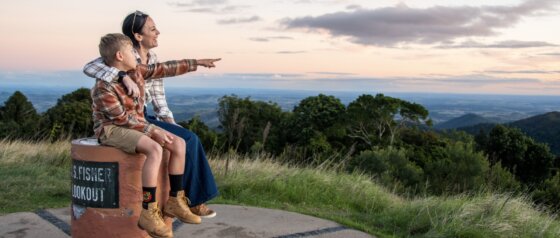
The Bunya Mountains are one of Queensland's most remarkable natural destinations. Rising above the surrounding plains of the Darling Downs, this ancient mountain range is home to towering bunya pines, cool subtropical rainforest, breathtaking lookouts, and an incredible variety of native wildlife.
Located around an hour from Crows Nest and approximately two and a half hours from Brisbane, the Bunya Mountains offer a rewarding day trip for anyone exploring Southern Queensland Country. Whether you're planning a leisurely drive, a day of bushwalking, or simply want to experience one of Queensland's most distinctive national parks, there's plenty to discover.
This guide covers some of the highlights to help you make the most of your visit.
Why Visit the Bunya Mountains?
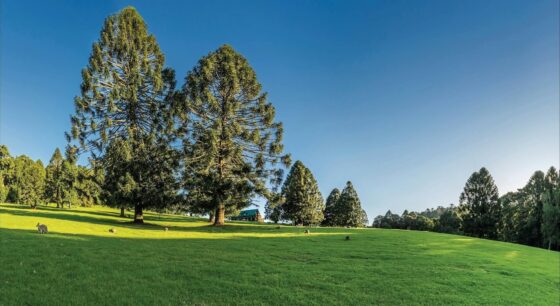
The Bunya Mountains are unlike anywhere else in Queensland.
The national park is one of the few places in the world where you'll find extensive forests of the iconic bunya pine (Araucaria bidwillii). These ancient trees have stood here for millions of years, creating a cool rainforest environment that feels a world away from the surrounding plains.
The mountains also hold deep cultural significance for the Traditional Owners. For thousands of years, Aboriginal groups travelled from across south-east Queensland to gather during the bunya nut harvest, sharing food, culture, and ceremony.
Today, visitors can appreciate both the remarkable natural landscape and the rich cultural history that make the Bunya Mountains such an important destination.
Take in the Scenic Lookouts
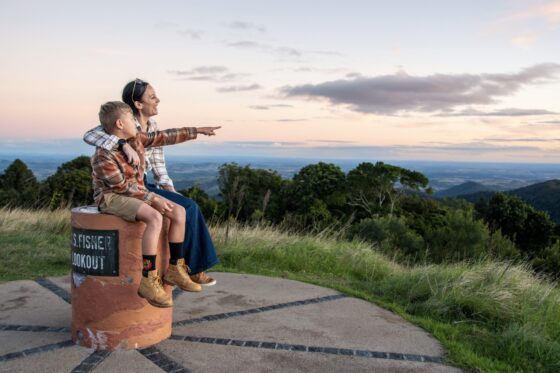
One of the highlights of visiting the Bunya Mountains is the spectacular scenery.
As you drive through the national park, you'll come across several lookouts offering panoramic views across the South Burnett, the Darling Downs, and the surrounding countryside.
Some of the most popular include:
- Fishers Lookout, with sweeping views across the South Burnett
- Westcott Lookout, a favourite for sunrise, sunset, and photography
- Pioneer Lookout, overlooking the escarpment and rolling countryside
Each lookout is easily accessible by car, making it easy to stop, stretch your legs, and enjoy the changing landscape throughout the day.
Explore the Walking Trails
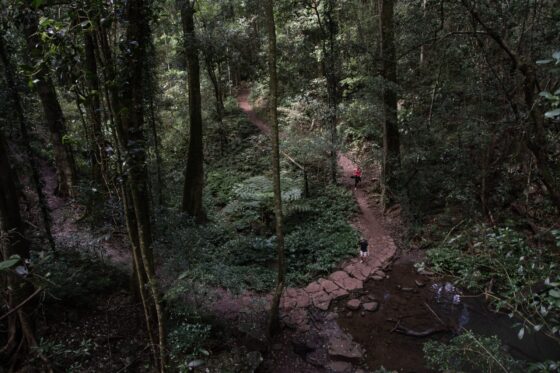
The Bunya Mountains are renowned for their network of walking tracks that cater to a variety of fitness levels.
Whether you're looking for a short stroll beneath the bunya pines or a longer walk through ancient rainforest, there are plenty of opportunities to experience the park on foot.
Popular walks include:
Bunya Trees Walk
A short and accessible walk introducing visitors to the famous bunya pines and their fascinating history.
Barker Creek Circuit
A scenic rainforest walk that follows peaceful creeks and offers excellent opportunities for birdwatching.
Tim Shea Falls Walk
This popular trail leads to a picturesque waterfall surrounded by dense forest, particularly impressive after rainfall.
Cliff Circuit
Combining rainforest, scenic lookouts, and opportunities to spot native wildlife, this walk showcases some of the park's most impressive scenery.
Most trails are clearly signposted, allowing visitors to explore comfortably at their own pace.
Keep an Eye Out for Native Wildlife
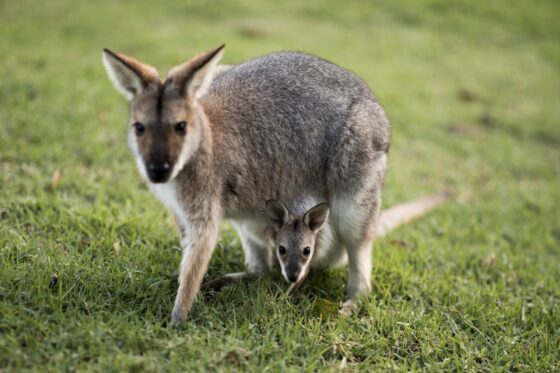
The cooler climate and diverse habitats of the Bunya Mountains support an impressive variety of native wildlife.
During your visit you may encounter:
- Red-necked wallabies
- Swamp wallabies
- Brushtail possums
- Eastern grey kangaroos
- Satin bowerbirds
- King parrots
- Crimson rosellas
- Wedge-tailed eagles
Early morning and late afternoon generally provide the best opportunities for wildlife spotting, while birdwatchers will appreciate the diversity of species found throughout the rainforest and open woodland.
Always observe wildlife from a respectful distance and avoid feeding native animals.
Pack a Picnic or Stop for Lunch
A visit to the Bunya Mountains is best enjoyed at a relaxed pace.
Several picnic areas throughout the national park provide:
- Sheltered picnic tables
- Barbecue facilities
- Toilets
- Easy access to walking tracks
- Peaceful rainforest surrounds
Packing a picnic allows you to spend the day exploring without feeling rushed.
Alternatively, you can stop at one of the cafés within the mountain village before continuing your adventure.
Tips for Visiting the Bunya Mountains
A little preparation will help you make the most of your visit.
Before heading into the park, remember to:
- Wear comfortable walking shoes.
- Carry plenty of drinking water.
- Bring sunscreen and a hat.
- Pack insect repellent during the warmer months.
- Stay on designated walking tracks.
- Take your rubbish with you.
- Check weather conditions before you travel.
These simple preparations will help ensure a safe and enjoyable day exploring the mountains.
When Is the Best Time to Visit?
The Bunya Mountains can be enjoyed throughout the year, with each season offering a different experience.
Spring
Mild temperatures and colourful wildflowers make spring ideal for walking and exploring.
Summer
The cool rainforest provides welcome relief during warmer weather, while waterfalls are often at their most impressive following seasonal rainfall.
Autumn
Comfortable temperatures make autumn an excellent time for longer walks and wildlife spotting.
Winter
Queensland's mild winters bring crisp mornings and sunny afternoons, creating pleasant conditions for exploring the park.
Plan Your Visit to the Bunya Mountains
From towering bunya pines and ancient rainforest to scenic lookouts, walking trails, and abundant wildlife, the Bunya Mountains offer one of Queensland's most memorable outdoor experiences.
Whether you're visiting for a few hours or spending the entire day exploring, there's plenty to discover at every turn.
If you're planning to explore the Darling Downs, Crows Nest Tourist Park provides a convenient base just over an hour from the Bunya Mountains. After a day of exploring, you can return to comfortable accommodation in the peaceful township of Crows Nest before continuing your journey through the region.
Explore our Crows Nest accommodation and start planning your Darling Downs getaway.